This is a paid partner contribution. Commercial relationships are disclosed so readers can distinguish sponsored content from editorial guides.
A storefront window, a roadside banner, or the side of a delivery van serves as a silent introduction to a business. When a company decides to update its physical presence, the choice is rarely just about color or font. It is a decision about how much space is being used, how much movement is involved, and how the brand interacts with its surroundings. Choosing between a stationary sign and a mobile one requires looking at the specific needs of the daily operation.
The Stationary Presence
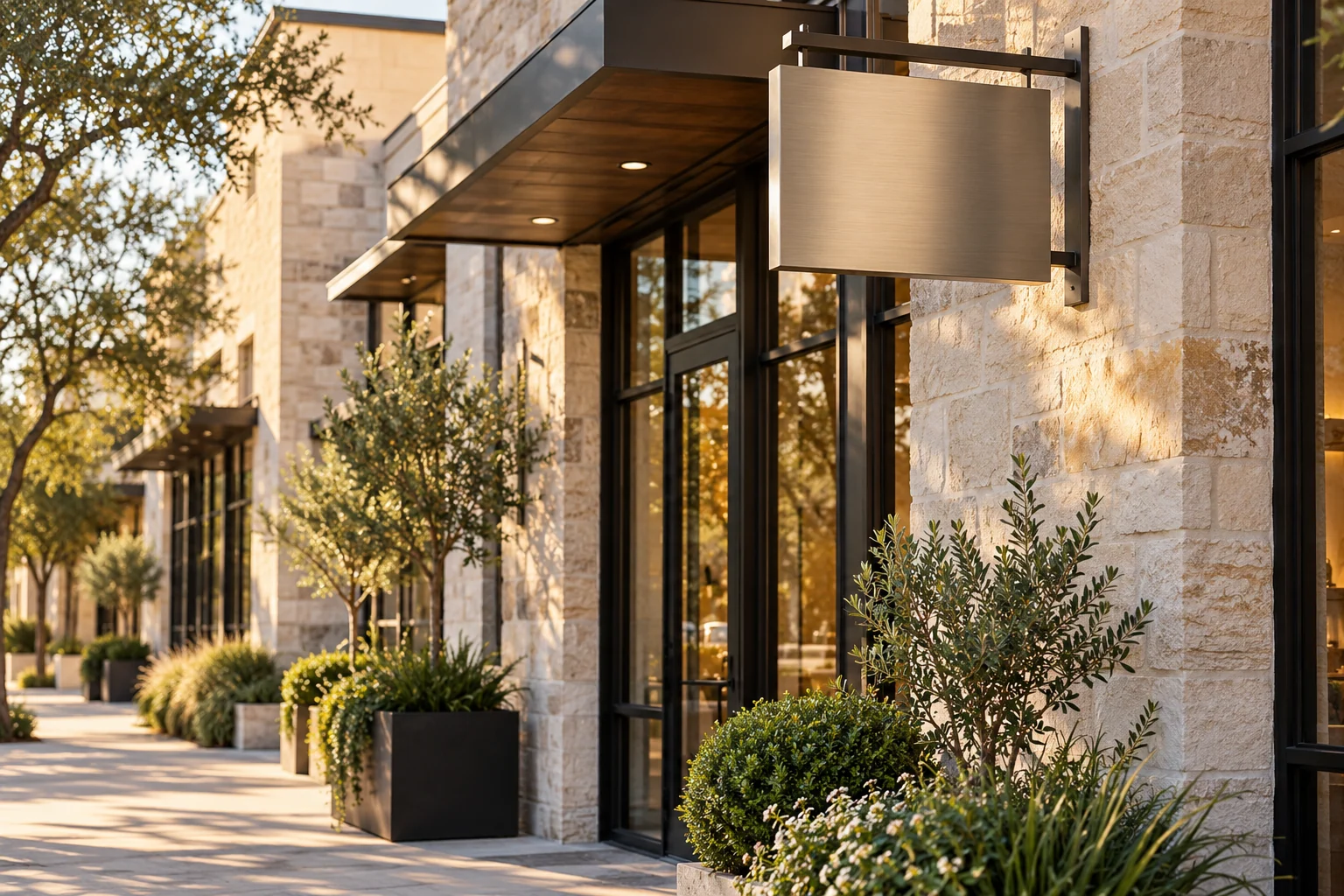
A fixed sign provides a constant landmark for pedestrians and drivers. It anchors a business to a specific street corner or building facade. However, a permanent installation involves more than just selecting a design. The physical placement of a sign must account for the structure it sits on and the space it occupies. For example, if a business decides to install a large illuminated sign above an entrance, they must consider how that placement affects the building's existing features. Ask the provider how they handle the sign survey and permitting process to ensure the installation aligns with local requirements. This step ensures that the visual goal does not conflict with the physical constraints of the property.
Mobile and Temporary Options
Not every branding need requires a permanent fixture. Some businesses find more utility in items that move with them or can be changed as promotions shift. A vehicle can act as a moving billboard, reaching different neighborhoods throughout a workday. Alternatively, banners can highlight a seasonal sale without altering the building itself. The tradeoff here is one of longevity versus flexibility. A permanent sign is a long-term investment in a location, while mobile graphics offer a way to reach a wider, traveling audience. If you are considering branding a fleet, ask about the options for vehicle graphics and custom decals for Dallas businesses to see how they might fit your specific vehicle types and usage patterns.
Preparing for a Consultation
Before meeting with a professional to discuss these options, gather the necessary details about your environment. Having a clear idea of your goals helps refine the conversation. For instance, if you are unsure whether a window decal or a hanging sign is more effective, prepare to describe your typical customer's path of travel. Do they walk past the door, or do they drive by at high speeds? Knowing this helps determine if the message needs to be large and simple or detailed and fine-tuned.
When you sit down to review designs or quotes, ask questions that clarify the scope of the work. Ask who will manage the installation and what the timeline looks like from the initial design to the final placement. By matching the specific type of visual tool to the way your customers actually encounter your business, you can make a more informed decision about your physical presence.


