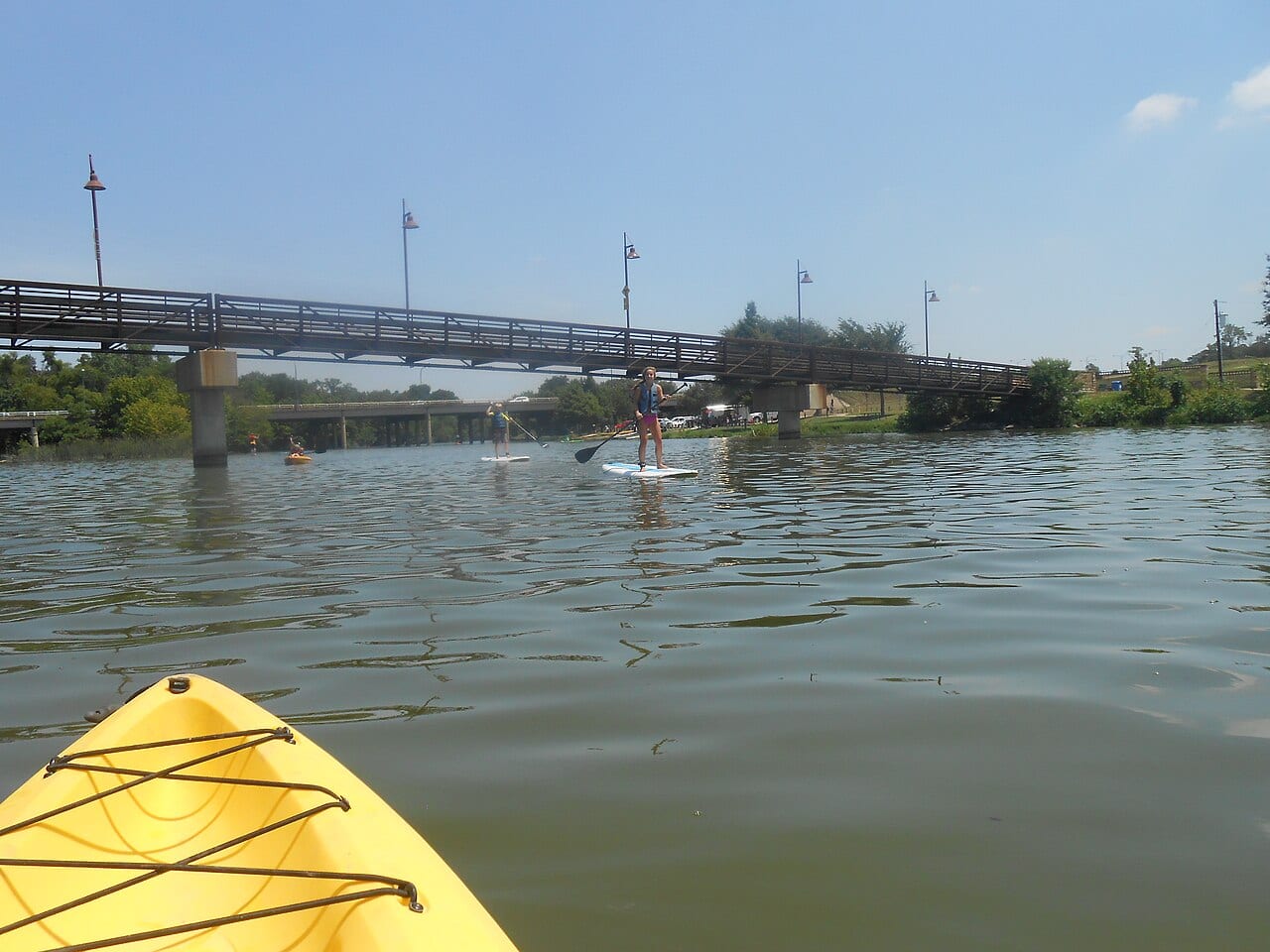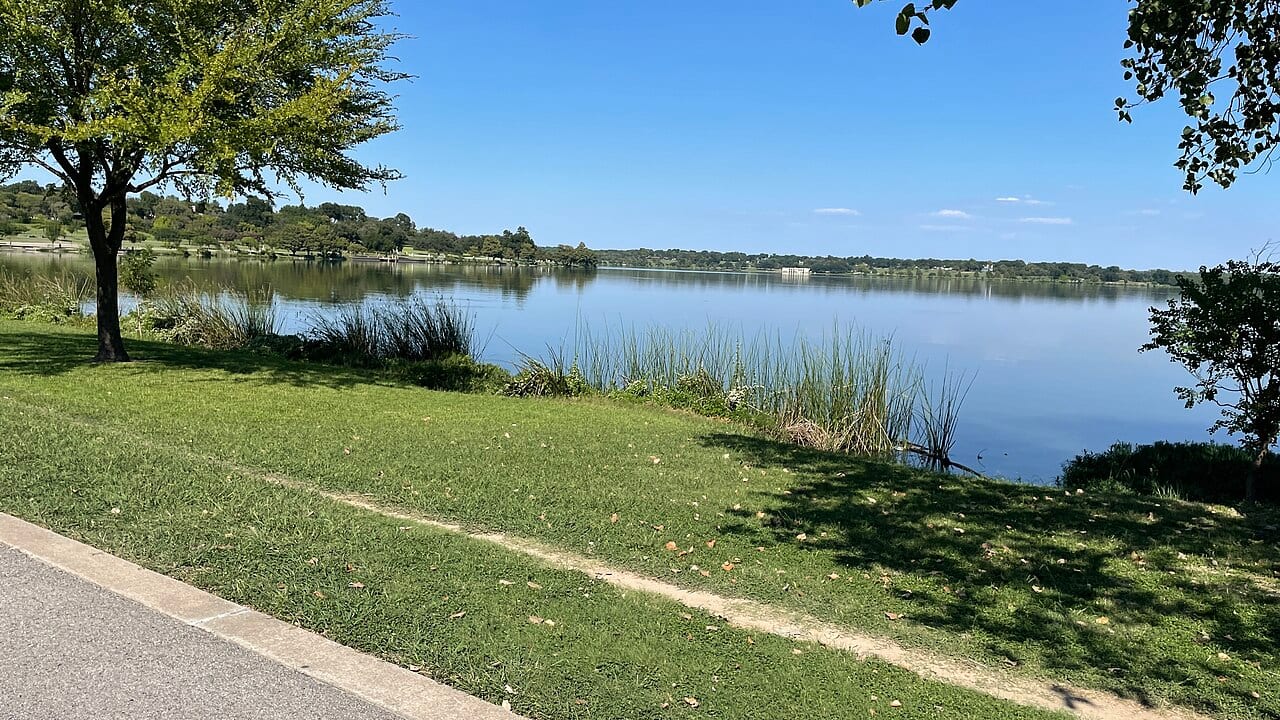
A well-packed water bottle and a pair of sturdy shoes are the standard starting points for any outdoor excursion. However, the most important element of a successful outing is often the invisible one: the agreement reached before anyone even steps out the door. For those who prefer to arrive at a trailhead or park ready to move rather than ready to debate, the preparation happens in the quiet moments of planning.
The Weight of Early Decisions
Some people find joy in the spontaneity of a walk, pivoting when a certain path looks too steep or a shaded grove looks more inviting. But for others, the mental energy required to make constant choices during an outing can feel more taxing than the walk itself. If you are the person who wants to minimize decision fatigue on the day of the trip, your goal is to transform a series of potential questions into a shared set of expectations.
For example, if you are organizing a walk for a group of friends, you might find that one person is looking for a vigorous trek while another is seeking a gentle stroll through flat terrain. Without a prior conversation, you may reach a fork in the path only to realize the group is split on which direction to take. This moment of hesitation can turn a relaxing morning into a series of negotiations.
Setting the Ground Rules
To avoid these mid-route stalemates, start by discussing the physical demands of the outing. Ask your companions about their preferred distance and the specific conditions they are comfortable with. Do they prefer paved surfaces, or are they looking for uneven dirt trails? Are they seeking a route with significant elevation changes, or should the terrain remain level?
Once a general idea of the difficulty is established, verify the current information regarding the intended route. Check for any recent updates that might affect the path you intend to take. Understanding the current state of the trail ensures that your pre-planned route remains viable when you arrive. It is also helpful to agree on a signal or a specific moment when the group will decide to change plans or head back, such as a certain time of day or a specific milestone reached.
Navigating the Tradeoffs
Every choice involves a tradeoff. A longer, more challenging route might offer more scenic views or a greater sense of accomplishment, but it also increases the likelihood of fatigue. A shorter, easier path offers more predictability and less physical strain, but it may lack the variety some enthusiasts crave. By discussing these elements in advance, you are not limiting the fun; you are simply ensuring that the experience aligns with what everyone actually wants to do.
Before you depart, confirm that everyone is aware of the agreed-upon route and the plan for turning back. When the group is in sync regarding the distance, the terrain, and the exit strategy, the walk becomes about the scenery and the company rather than the logistics of the next step.