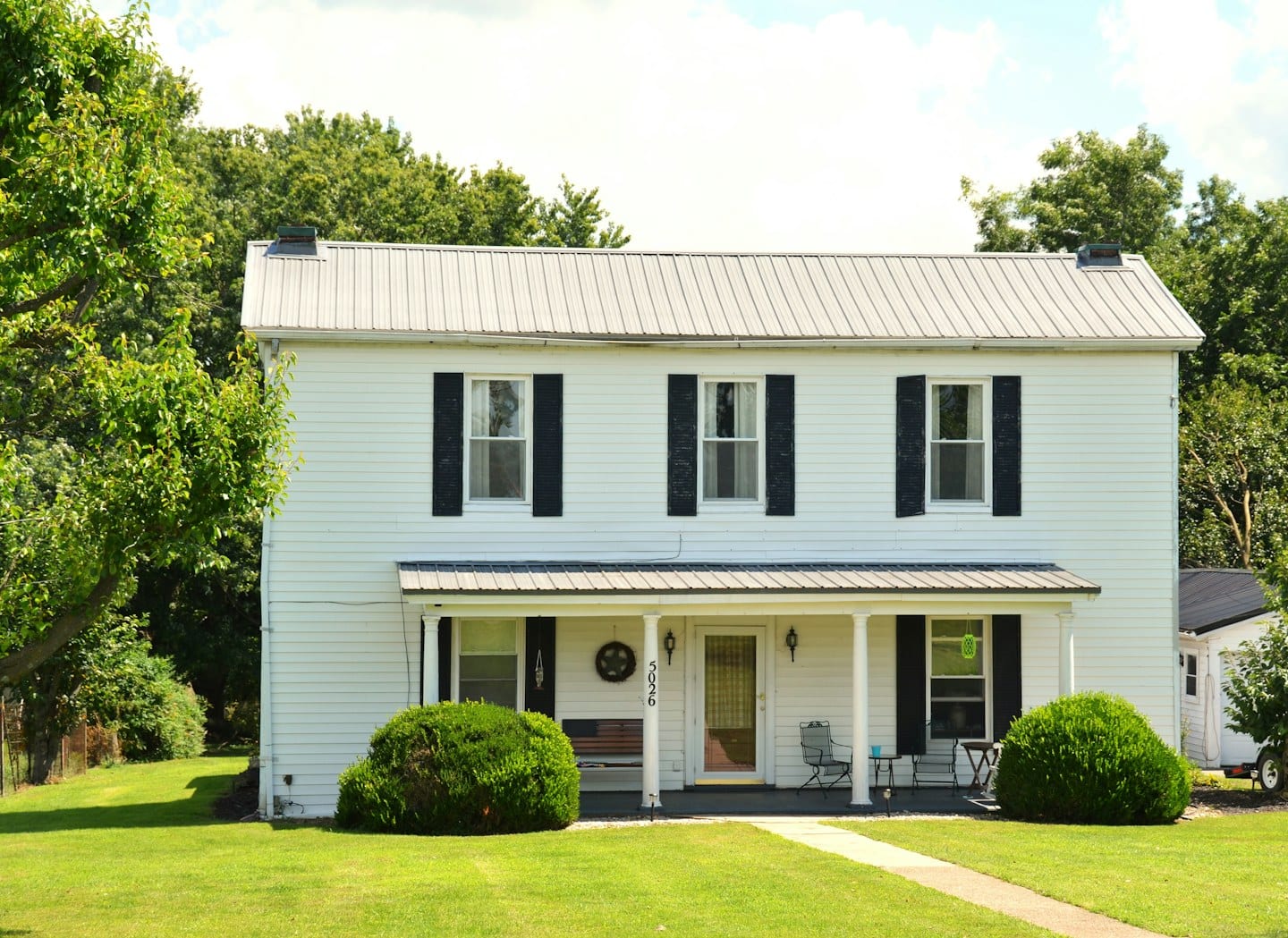
A digital folder filled with hundreds of unlabelled photos can become a confusing maze when you actually need to reference a specific corner of your house. Whether you are preparing for a renovation or documenting the condition of a property, the way you capture and categorize these images determines whether they serve as a useful record or merely a collection of digital clutter.
The Foundation of a Clear Archive
The first step in building a reliable visual history is establishing a naming convention that provides instant context. Rather than relying on a phone's default timestamp, consider naming your folders by room and date. This structure allows you to navigate through different stages of a project or different years of property maintenance with minimal effort.
Within these folders, the content of the photographs should remain objective. A successful archive focuses on the physical state of the environment at a specific moment. When you capture a photo, aim for wide angles that show the relationship between objects and close-ups that show specific textures or connections. This provides a comprehensive view of the space as it existed before any changes were initiated.
Separating Sight from Sentiment
One of the most significant challenges in documenting a home is the tendency to mix observations with personal opinions. When we look at a room, we often see it through the lens of what we dislike or what we wish to change. However, an effective project folder requires a strict distinction between the physical evidence and your subjective preferences.
For example, if you are documenting a kitchen before a remodel, you might feel a strong urge to describe the space as "cramped," "outdated," or "uninviting." While these feelings are valid motivations for a project, they are interpretations rather than facts. In your visual records, a photo should represent the actual dimensions and existing materials. If you find yourself wanting to note that a certain tile pattern is "ugly," instead record that the tile is "ceramic with a blue geometric pattern." This ensures that when you show these photos to a professional, they are looking at the same physical reality you are, rather than your emotional response to it.
Managing the Tradeoff of Detail
There is a constant tradeoff between capturing every minute detail and maintaining a manageable file size and organization system. If you take too few photos, you may miss a crucial structural detail; if you take too many, you may lose the ability to find what matters most.
To balance this, consider keeping a separate text document for your interpretations. Use the photo folder strictly for the visual evidence. In the text document, you can list your preferences, such as "I dislike the current lighting levels" or "The floor feels uneven underfoot." This allows you to keep your vision for the future separate from the documented reality of the present.
When you are ready to move from documentation to action, ask a contractor or specialist how the specific details captured in your photos will influence their assessment of the work. By presenting them with a clean, objective visual record, you provide a clearer starting point for your project.


