This is a paid partner contribution. Commercial relationships are disclosed so readers can distinguish sponsored content from editorial guides.
A fresh dent in a car door or a series of small pits on a hood often triggers an immediate search for solutions. Before booking an appointment, the most effective step is to organize your observations so you can provide a clear picture of the damage. Moving from a state of surprise to a state of preparation helps ensure that the person you speak with understands exactly what you are looking to address.
Observing the Surface
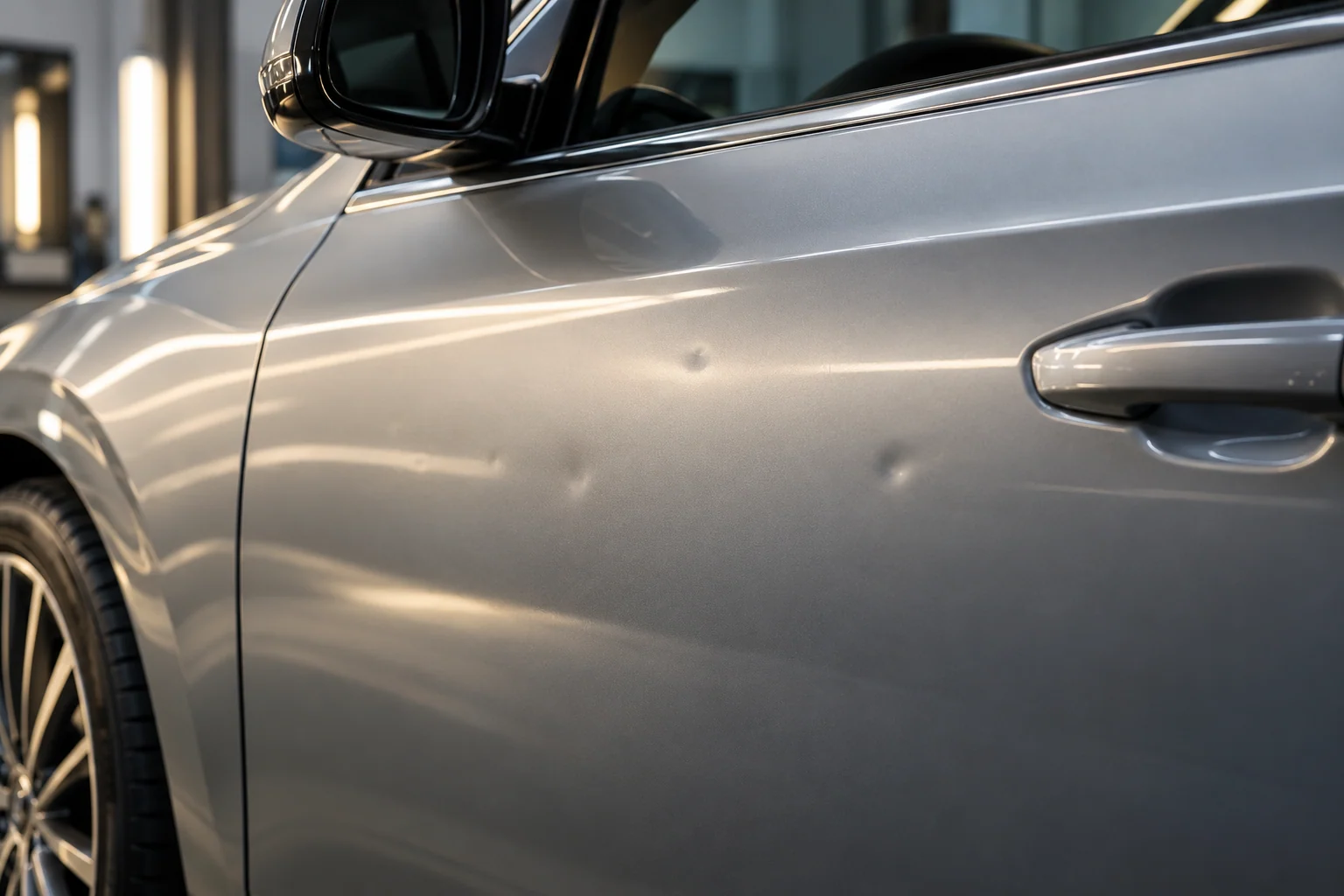
Take a moment to look at the vehicle in natural light. Note where the damage is located and how it affects the shape of the metal. Is the dent a single, deep indentation, or is it a collection of smaller, shallower marks spread across a wide area? For example, if you are looking at the upper section of a vehicle, you might be considering repairing hail damage around a panoramic roof to see how the glass and surrounding frame are affected. Identifying whether the damage is on a flat panel, a curved fender, or near a seam will help you describe the situation more accurately during your initial call.
The Tradeoff of Speed and Detail
When deciding how to proceed, you will likely face a choice between a quick visual assessment and a more thorough inspection. A brief glance can give you a sense of the scale, but it may not account for how the metal behaves underneath the surface. You might choose to seek a rapid estimate to clear your mind, or you might opt for a detailed conversation that explores the specific nuances of the impact. This decision involves weighing the desire for immediate answers against the benefit of a more comprehensive understanding of the work required.
Questions for the Specialist
A productive first conversation is built on specific inquiries. Rather than asking if a car can be fixed, ask how the proposed method addresses the specific location and depth of the marks you observed. If you are looking for paintless dent repair The Colony, ask what the process involves for that specific area of the vehicle. You may also want to ask about the timeline for the work and how they handle different types of metal or finishes. Preparing these questions in advance allows you to focus on the details of your vehicle rather than trying to recall them on the spot.
Organizing Your Information
To make the most of your time, gather any relevant information about when and how the damage occurred. Having a clear description of the event—whether it was a sudden storm or a low-speed contact—provides necessary context. Once you have noted the location, the type of damage, and your specific questions, you are ready to initiate the conversation. This preparation ensures that your first contact is focused on the specific needs of your vehicle and your expectations for the repair.