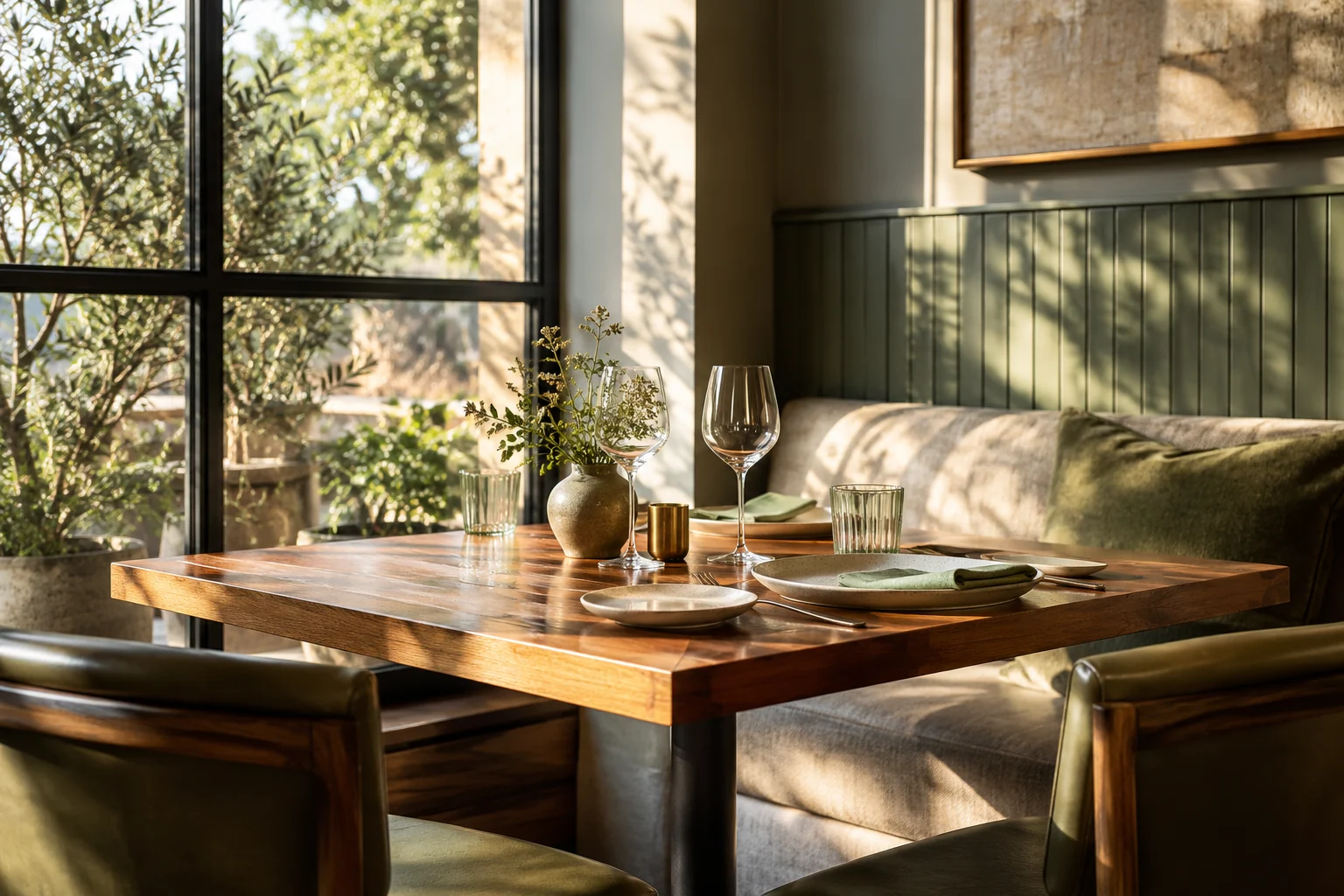
The weight of a Saturday afternoon often rests on the sheer volume of choices required to make it successful. Between selecting a dining spot, checking its availability, and mapping a route, the mental energy spent planning can sometimes eclipse the enjoyment of the meal itself. For those who find the process of constant pivoting exhausting, there is a way to structure an outing that prioritizes ease over exhaustive itineraries.
The Anchor Venue
The most effective way to reduce decision fatigue is to select a single, primary destination—the anchor. Rather than attempting to coordinate a multi-stop journey involving a specific brunch spot, a particular boutique, and a scheduled coffee shop, choose one location that serves as the centerpiece of your afternoon. This approach allows you to focus your preparation on a single set of details rather than a complex web of logistics.
When you settle on an anchor, your primary task is verification. Before you depart, confirm that the venue’s current details align with your expectations. Ask the establishment if they have any changes to their current availability or if there are specific details regarding their service that might affect your visit. By resolving these specifics in advance, you eliminate the need for mid-trip troubleshooting.
Managing the Optional Detour
A common pitfall in planning is the attempt to schedule a "just in case" second stop. While it feels productive to have a backup plan, these secondary locations often create a secondary layer of decision-making. If the anchor venue is more or less crowded than anticipated, you may find yourself caught in a new cycle of searching for an alternative that meets your standards.
Instead, treat any subsequent activity as entirely optional. If the meal is satisfying and the atmosphere is right, you might stay longer. If you feel the urge to move, you can allow your surroundings to dictate the next step. This creates a meaningful tradeoff: you sacrifice the certainty of a structured afternoon in exchange for the freedom to react to your actual mood rather than a pre-set schedule.
A Study in Spontaneity
For example, if you decide that a specific bistro in your area is the day's only requirement, your mental load is light. You have verified their current status and arrived with a clear goal. If, after finishing your meal, you find yourself walking past a bookstore that looks inviting, you can enter on a whim. If you feel tired, you can simply head home. The decision to visit the bookstore is a light, spontaneous choice rather than a heavy, scheduled obligation.
Streamlining the Departure
To make this work, your pre-trip checklist should be minimal. Confirm the anchor's current details, ensure your transit method is ready, and then stop planning. The goal is to arrive at your destination with your decisions already made, leaving the rest of the afternoon to unfold as it will.