A museum membership often arrives with an unspoken pressure to see everything. When a new season begins, the temptation is to treat the institution like a checklist, moving rapidly from one hall to the next to ensure no stone is left unturned. However, the most meaningful engagement with culture often happens when you narrow your focus to a single exhibition rather than attempting to conquer the entire building.
The Weight of the Itinerary
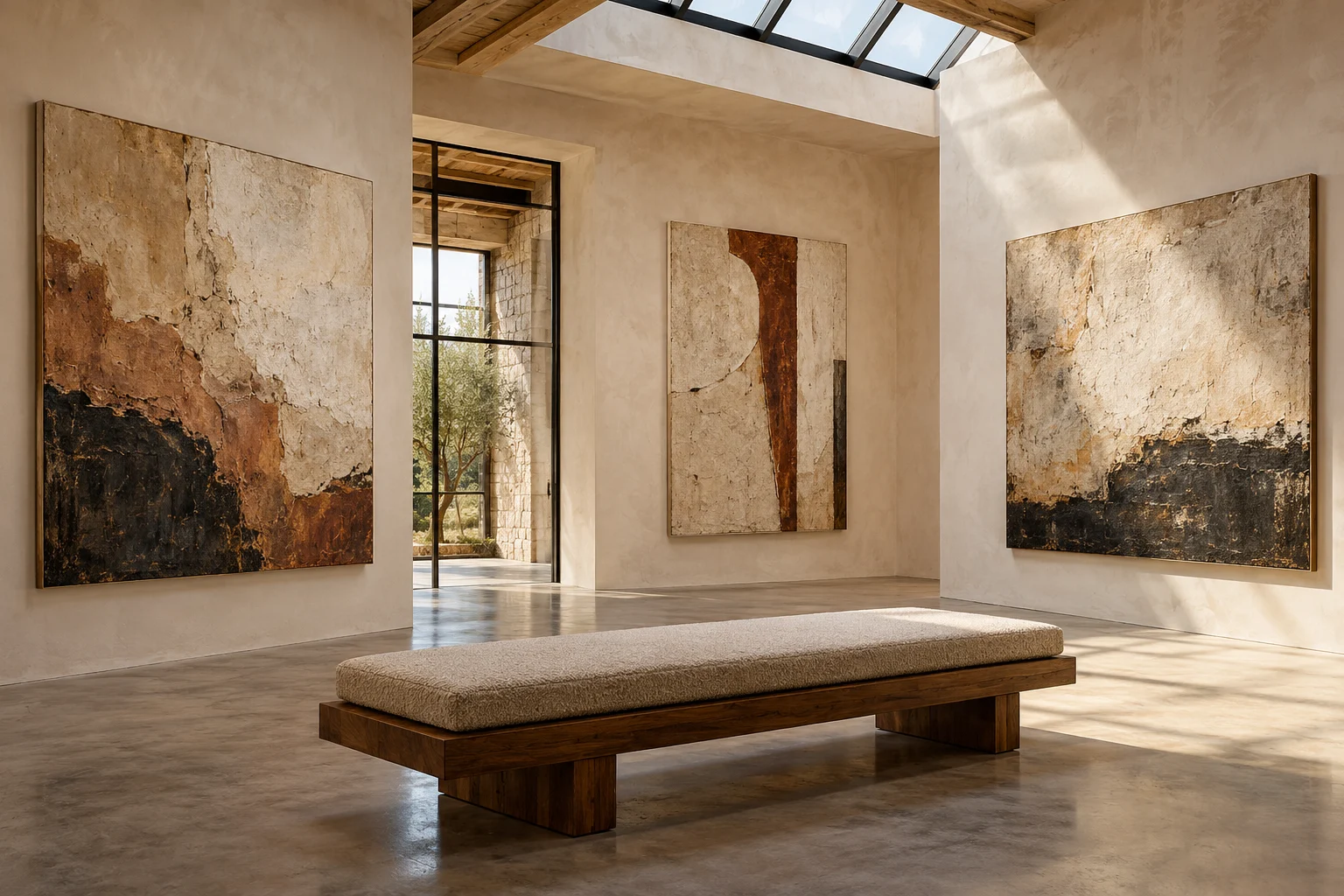
The primary tradeoff in a cultural outing is between breadth and depth. A wide itinerary allows you to see the scale of a collection, but it often leaves the viewer in a state of constant transition. You spend as much time walking between galleries and reading placards as you do actually looking at the work. By contrast, selecting one specific exhibition allows you to settle into the rhythm of the pieces. You might find yourself standing before a single canvas for ten minutes, noticing how the light hits the texture, a luxury that vanishes when you are racing toward the next scheduled stop.
Separating Taste from Evidence
A common challenge for the observant visitor is the tendency to let personal preference cloud objective observation. It is easy to decide an exhibition is "good" simply because the subject matter aligns with your existing interests, or to label it "poor" because the aesthetic feels alien. To truly engage with the work, one must learn to separate what they feel from what is actually present.
For example, if you find yourself standing in front of a series of abstract sculptures, your immediate reaction might be a sense of confusion or even boredom. Instead of letting that feeling end the encounter, try to document the physical realities of the objects. Note the weight of the materials, the way the shadows fall across the floor, or the specific tension in a curved line. By focusing on these observable facts, you create a foundation of evidence that exists independently of whether you personally enjoy the style.
Creating Space for Reflection
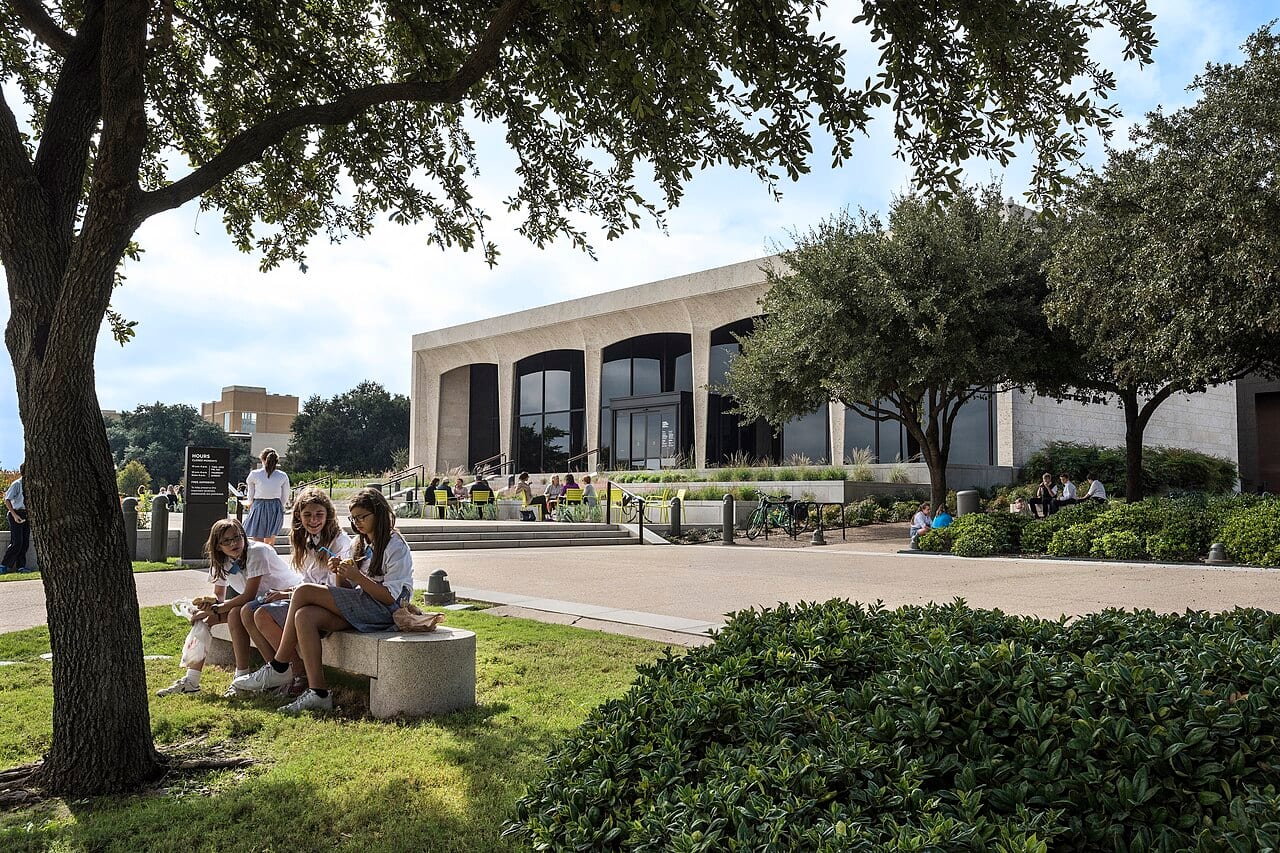
The final component of a successful outing is the intentional use of time. If you plan your visit around a strict schedule, you leave no room for the quiet moments that follow the visual input. A meaningful visit requires a period of stillness after the walking is done. This might mean sitting in the museum cafe or finding a bench in a courtyard to process what you have seen.
Ask yourself which specific elements of the exhibition stayed with you once you stepped back. Was it a particular color palette, a recurring shape, or the way the curator arranged the sequence of the rooms? When you approach an outing with the goal of observing rather than collecting, the experience shifts from a task to be completed into a genuine moment of reflection.