A striking piece of pottery in a local studio or a particularly effective way a contractor managed a difficult renovation can vanish from memory as quickly as it arrived. We often encounter ideas, objects, or methods that resonate deeply, yet we rarely build the infrastructure to retrieve them when they are actually needed.
The burden of the blank slate
Decision fatigue is a quiet thief of enjoyment. For many, the most taxing part of a weekend outing or a major home improvement project is not the activity itself, but the sudden, frantic necessity of making choices in the moment. When you arrive at a gallery or stand in a hardware aisle, the pressure to select the "right" thing can overshadow the experience.
For example, if you are visiting a series of local craft markets with the intent to find unique gifts, you might find yourself paralyzed by choice. Without a record of what caught your eye, you may spend your time comparing similar items or, worse, forget the name of a maker whose work moved you. This lack of documentation forces you to start from zero every time you attempt to act on an inspiration.
Capturing the essential details
To avoid this, treat your outings and projects like a field researcher. Instead of merely taking a photograph, which often lacks context, create a brief note that captures four specific pillars: the work, the creator, the source, and the personal resonance. A photo of a hand-woven rug tells you what it looks like, but a note stating, "Indigo geometric pattern, woven by Elena Vance at the Saturday Market, felt calming for the entryway," tells you why it matters.
The tradeoff here is a small investment of time during the event in exchange for a massive reduction in mental labor later. You are trading the immediate ease of "just looking" for the long-term ease of "knowing exactly what to do." By recording the source of your information—whether it was a conversation with a shopkeeper or a specific pamphlet—you ensure the trail remains warm.
The power of the open question
The most effective field note does not end with a statement; it ends with a prompt. When you record a discovery, leave a specific question that requires you to revisit the subject with fresh eyes. This prevents a note from becoming a dead end in a digital folder.
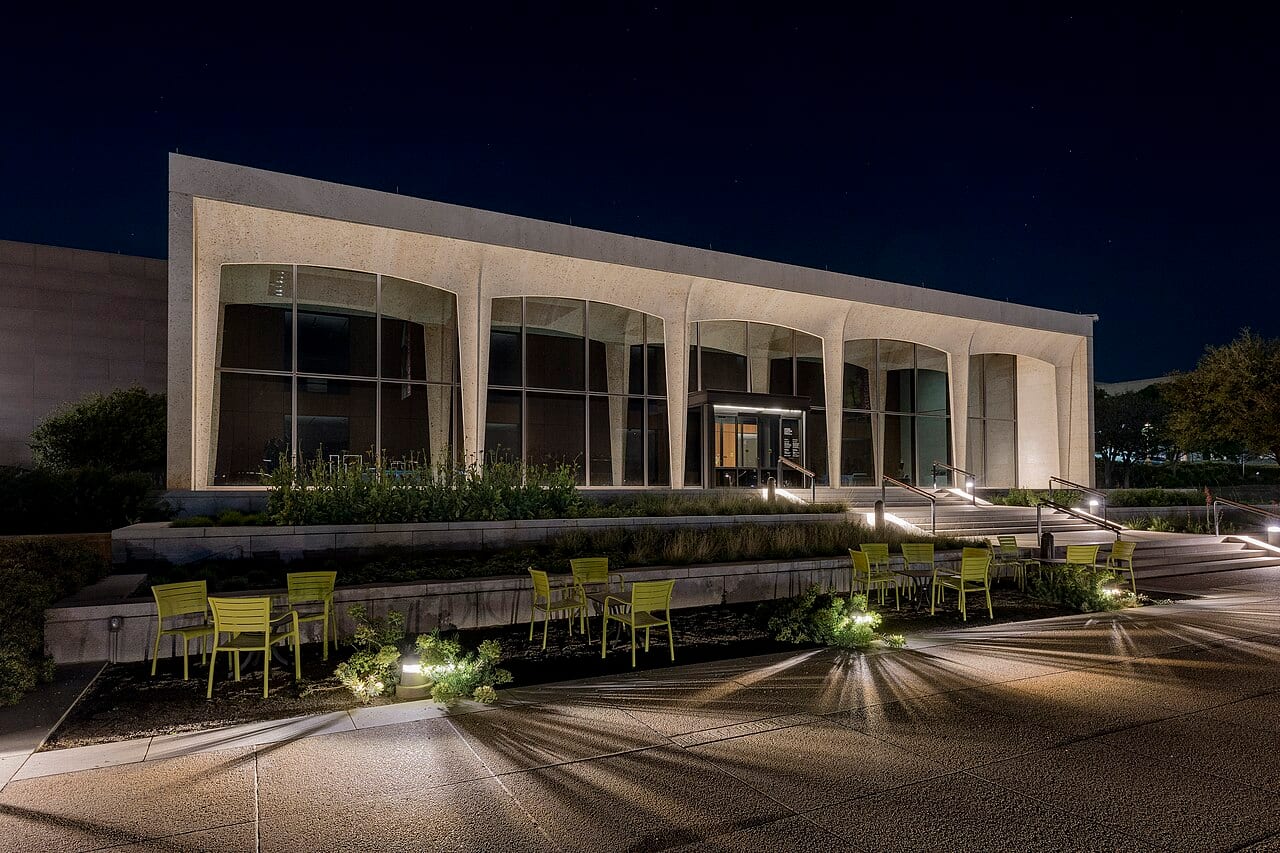
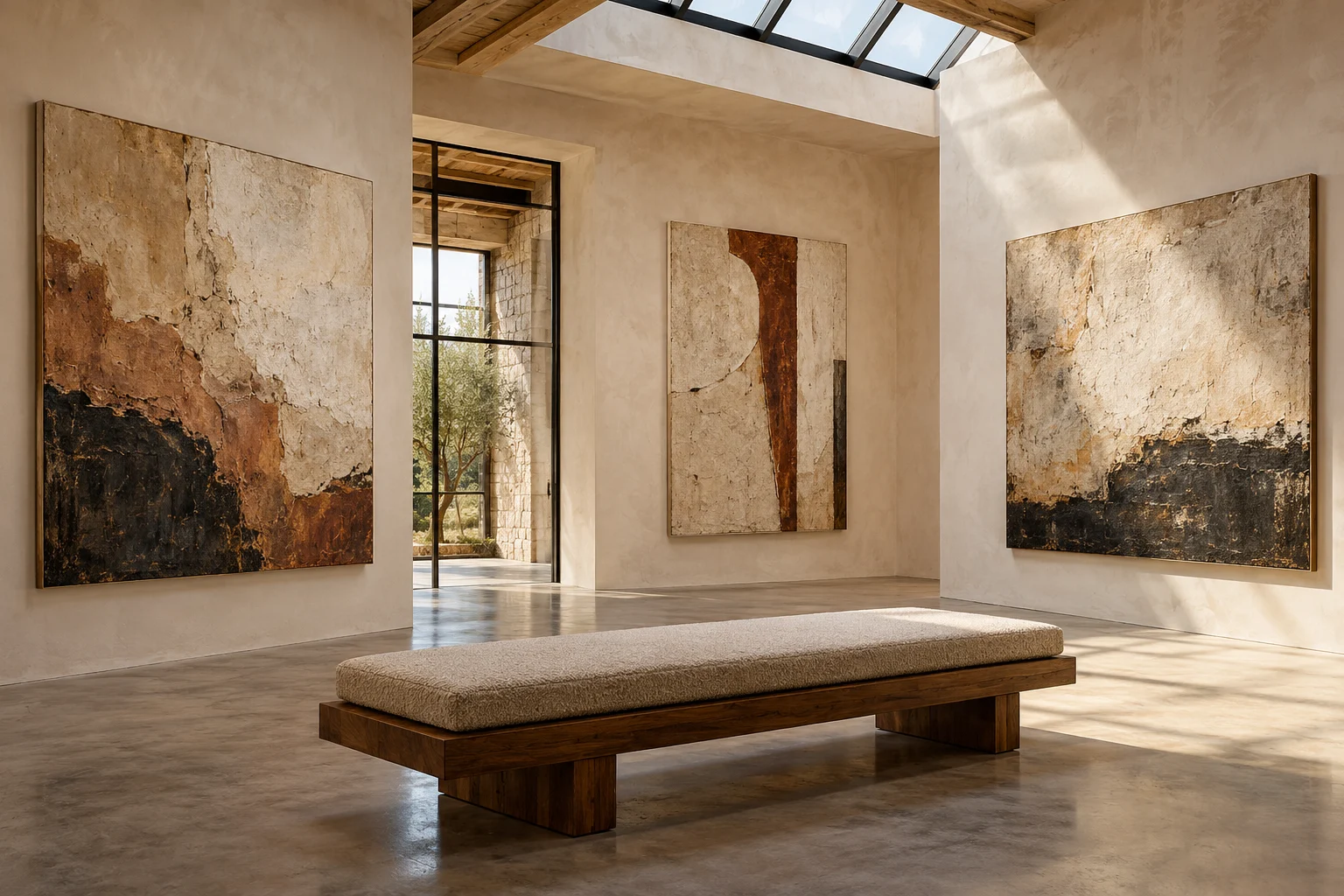
If you are observing a professional service, such as a landscaper's approach to a specific drainage issue, your note might include: "Used stone gabions to divert runoff near the oak tree; ask if this method prevents soil erosion during heavy North Texas rain events." If you are at a museum, you might write: "Abstract series in the west wing; how does the artist's use of light change when viewed in the afternoon?"
By documenting the why and leaving a question for the how, you turn a fleeting observation into a functional tool. You move from being a passive consumer of experiences to an active curator of your own interests, ensuring that when the time comes to decide, the answer is already waiting for you.